
Health Doesn’t Need More Advice. It Needs Better Feedback Loops.
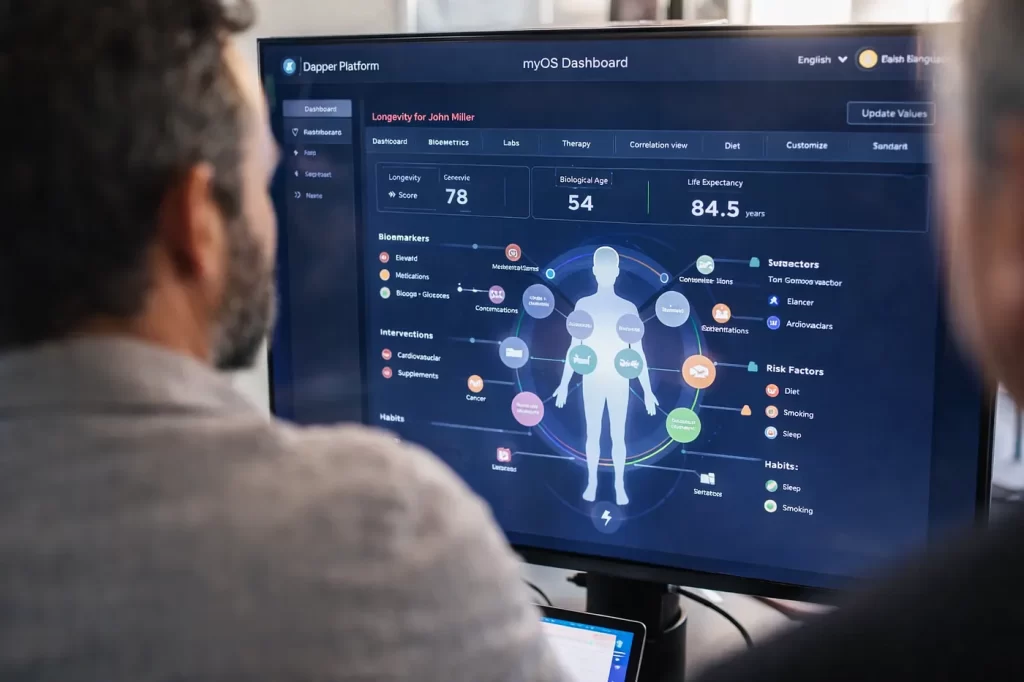
Why data + outcomes change patient behavior, and why they change the economics of care, too. Written by David Pachkofsky, Founder & CEO Dapper Estimated read time: 8–10 minutes Disclaimer: This is educational content, not medical advice. If you’re considering any health intervention, consult a licensed clinician. The quiet reason most “health plans” fail Imagine if your bank balance updated once a year. You’d still have goals. You’d still have motivation. You’d still want to be responsible. But you’d be operating blind, so small mistakes would compound, and progress would feel abstract. That’s remarkably close to how healthcare works for many people today. We get: episodic visits fragmented data (labs in one portal, prescriptions in another, coaching somewhere else) delayed feedback and unclear “what worked” vs “what didn’t” Even the National Academies has used this contrast to highlight how far healthcare lags other sectors: banks update records “in real time” while healthcare struggles to continuously learn from the care experience. When people can’t see cause-and-effect, adherence drops, motivation fades, and the whole “do the right thing” narrative becomes an exercise in willpower. And willpower is a terrible strategy. The adherence problem is not a moral failing, it’s a system design problem The World Health Organization has long pointed out that adherence to long‑term therapies averages only 50% in developed countries, and it’s even lower in many settings. That single statistic should change how we interpret “patient behavior”: People aren’t refusing care because they’re irrational. They’re dropping off because the system doesn’t provide the feedback, reinforcement, and continuity needed for long-term follow‑through. And the downstream costs are immense. One major U.S. analysis estimated the annual burden of suboptimal medication use at >$500B, including avoidable hospitalizations and other avoidable utilization. This is where “data + outcomes” becomes more than a product feature. If you can close the feedback loop, you can improve adherence, and when adherence improves, outcomes improve, and the economics change. Why data changes behavior: the psychology of “visible cause and effect” Behavior change science is consistent on this: self‑monitoring and feedback are among the most powerful levers available. A 2024 systematic review of feedback in physical activity interventions found that interventions with feedback were more effective than those without feedback (effect size around d = 0.29). That effect size is not a miracle. It’s not “biohacking.” It’s basic human cognition: 1) Feedback makes progress legible If you can’t tell whether something is working, you won’t keep doing it. Data turns vague effort into visible progress. 2) Feedback creates reinforcement Small wins matter. A system that continuously shows “this is moving the needle” reinforces the behavior and makes it more sticky. 3) Feedback converts guessing into iteration Without data, people run random experiments. With data, they can run informed experiments. 4) Feedback increases perceived control People will tolerate effort when they feel agency. Outcomes dashboards increase agency. The evidence in the real world: measurement changes outcomes This isn’t theoretical. We’ve seen it repeatedly in high‑signal areas where measurement is continuous, not annual. Wearables: more movement, modest weight impact, measurable cardiometabolic signals An umbrella review in The Lancet Digital Health reported that wearable activity tracker interventions resulted on average in: 1,800 more steps/day 40 more minutes/day of walking modest but meaningful improvements in weight (about 1 kg reduction) and BMI (about 0.5 kg/m²) in meta-analyses of weight-loss outcomes These are not trivial. They’re the type of incremental, sustained shifts that accumulate into long-term healthspan gains, especially when they’re durable and paired with coaching, clinical context, and ongoing adjustments. Continuous glucose monitoring (CGM): tighter control because the feedback is immediate A systematic review and meta-analysis of randomized controlled trials in type 2 diabetes found CGM use produced a modest but statistically significant HbA1c reduction (0.32%) versus fingerstick self-monitoring. The key is not the device itself. It’s the behavioral mechanism: you eat → you see the response you sleep poorly → you see the response you exercise → you see the response The intervention becomes a closed loop, not an abstract recommendation. Remote patient monitoring: scaling the feedback loop beyond the clinic Remote patient monitoring (RPM) has expanded rapidly, one U.S. federal review noted that Medicare RPM enrollees in 2022 were more than 10x higher than in 2019. And the evidence base continues to grow. For example, a 2024 systematic review of RPM interventions (focused on the hospital-to-home transition) synthesized evidence across dozens of studies (mostly RCTs), assessing safety, adherence, quality of life, and cost-related outcomes. Other digital monitoring approaches show signals on utilization and mortality as well; one focused review referenced within a 2024 digital medicine synthesis reported a mean reduction in hospitalization and mortality in certain monitoring contexts, useful directional evidence, but also a reminder that effects vary meaningfully by condition and intervention design. Data alone doesn’t change behavior. The loop does. There’s a trap in digital health: collecting data and calling it “insight.” But behavior changes when the system delivers five things, reliably: A practical framework: The Outcomes Loop Measurement Biomarkers, symptoms, adherence signals, wearable telemetry, diagnostic Interpretation Translating raw numbers into context: What matters? What’s noise? What’s next? Action A concrete plan that is easy to execute (meds, lifestyle, supplements, protocols, scheduling) Follow‑through Automation, reminders, refill workflows, friction reduction, check-ins Adjustment Iterate based on outcomes, like a tuning loop, not a one-time prescriptionIf any one of these breaks, the experience reverts back to “episodic care,” and drop-off becomes the default. Why outcomes change the economics, not just the health metrics Once you see healthcare as a feedback-loop problem, the business implications become straightforward. 1) Better outcomes reduce “value skepticism” In cash-pay markets especially, patients constantly ask: Is this worth it? When the system shows progress (or flags when progress stalls), “value” is less hypothetical. That reduces churn, increases engagement, and supports longer patient lifespans. 2) Adherence improves unit economics (in any model) When adherence rises, you typically see: fewer avoidable acute events fewer wasted prescriptions fewer “start-stop” cycles more predictable utilization Societal economics on the overall burden of suboptimal medication use in the U.S are huge (more than $500B per year by some estimates). 3) Longitudinal data becomes a compounding asset The more patients stay engaged, the more longitudinal data you generate. That enables: better personalization better protocol
So You Want to Be a Founder? Congratulations, You’ve Chosen Chaos.

I still remember the first time I decided to start a company. I was 15, thought I was invincible, and had just enough of an ego to believe I could pull it off. What I didn’t know was that I was signing up for a lifetime of sleep deprivation, existential dread, and an unshakable addiction to the entrepreneurial rollercoaster. Fast forward 25 years, 15 companies, and more battle scars than I care to admit, and I can tell you one thing with absolute certainty: if you’re about to start your first company, you have no idea what’s coming. And that’s fine. None of us did. But let me save you a few (or a dozen) painful lessons so you don’t have to learn everything the hard way. Lesson #1: You Need More Money Than You Think. No, Even More Than That. When I launched my first company, I had a rock-solid financial plan — at least, I thought I did. Within six months, my savings account and my plan had been completely obliterated. Whatever number you think you need to raise, double it. No, triple it. Then, for good measure, assume you’ll still need more. Start-ups are money-eating machines. Your burn rate will be higher than expected, unexpected expenses will hit like a wrecking ball, and investors will take twice as long to wire funds as they said they would. The faster you accept this, the better. One of my favorite quotes is from Twitpic founder Noah Everett: “Don’t worry about funding if you don’t need it. Today, it’s cheaper to start a business than ever.” Great advice — if you’re selling digital products or living in your parents’ basement. For the rest of us? Get the money. Lesson #2: Be Wary of the “Keep Going!” Cheerleaders Look, I love a good pep talk. But there’s a specific type of person in your life — often friends or extended family — who will throw out empty encouragement like “Success is right around the corner!” or “Just keep pushing, it’ll all work out!” These people mean well, but they are useless in times of crisis. You don’t need cheerleaders. You need people who will challenge your ideas, call out your blind spots, and occasionally shake you by the shoulders when you’re about to make a terrible decision. Find those people. Keep them close. For me, that person was an old mentor who, after my second company started flailing, sat me down and said, “Listen, you don’t have a business problem, you have a ‘you’ problem. Fix your leadership, fix your business.” Brutal? Yes. Necessary? Absolutely. Lesson #3: Getting on Shelves is Easy. Getting Off is What Matters. Back when I was pushing a consumer product, I landed a massive deal with a national retailer. I was convinced I had made it. This was it — I had arrived. Two months later, I was drowning in unsold inventory, buried in chargebacks, and learning a painful lesson: getting a retailer to say “yes” is easy. Getting customers to actually buy your product is where the real work begins. Retail is ruthless. If your product doesn’t move, you’re discontinued faster than a failed Netflix series. If you ever find yourself celebrating shelf space, remember — the real battle has only just begun. Lesson #4: If You Think Your Product Isn’t Ready, It’s Not. You know that tiny voice in your head whispering, “I don’t think this is good enough”? Listen to it. In one of my early ventures, I had an MVP that was fine. Not great, but fine. I ignored my gut, launched anyway, and within weeks, I had customers demanding refunds and leaving reviews that could only be described as emotionally scarring. Kevin Rose, co-founder of Digg, once said, “Don’t let others convince you that the idea is good when your gut tells you it’s bad.” Trust me — if you’re having doubts, your customers will, too. Fix it before you launch. Lesson #5: Hire People Who Can Do What You Can’t. Early on, I had a bad habit of thinking I could do everything myself. I’d jump into marketing, operations, product development — like some kind of caffeine-fueled Swiss Army knife. Turns out, I was mediocre at most of it. The moment I started hiring people who were good at the things I sucked at, everything changed. The best founders aren’t the ones who do everything — they’re the ones who find great people and get out of their way. Lesson #6: Free Press? You’re Dreaming. Make Your Own. You think Forbes is going to magically write about your startup? That TechCrunch is dying to cover you? Hate to break it to you, but no one cares. Early on, I wasted so much time chasing journalists and PR firms, only to realize that the best way to get attention is to make your own noise. Tell your own story. Build a brand. Make people pay attention. Brian Chesky, co-founder of Airbnb, put it perfectly: “If we tried to think of a good idea, we wouldn’t have been able to. You just have to solve a problem in your own life.” When you do that, and you tell that story well, people will listen. Lesson #7: Stop Comparing Yourself to the Lucky Few. Some founders had rich parents. Some went to Yale. Some had VCs on speed dial before they even had a product. You? You’re playing on hard mode. And that’s fine. But if you spend all your time comparing yourself to people who started the race at the finish line, you’re going to drive yourself insane. Every founder’s path is different. The only thing that matters is what you build. Lesson #8: Your Employees Are Not Robots. Treat Them Like Humans. Here’s what I don’t care about as a founder: ✔️ When my employees work. ✔️ Where they work from. ✔️ If they take mental health days. ✔️ If they work less than 40 hours. Here’s what I do care about: ✔️ That they’re happy. ✔️ That
Doctors, Reclaim Your Practice: How AI is Giving Men’s Health Physicians Their Power Back

In an industry bogged down by bureaucracy, Dapper Care, a Silicon Valley-based health tech corporation, is ushering in a new era of healthcare delivery. This revolutionary company is transforming men’s and women’s health with AI-powered telehealth solutions designed to restore control to physicians and give them back the time and autonomy they’ve lost to administrative overload. The Breaking Point for Physicians Men’s health physicians face a daily struggle. Mountains of paperwork, endless administrative tasks, and a growing sense of burnout have become the norm. Meanwhile, patient care is taking a backseat as doctors are forced to juggle these demands. The healthcare system has taken away what matters most to physicians, time with their patients and time to focus on what they do best. Dapper Care isn’t here to make small adjustments. It’s offering a complete system overhaul designed to reduce the friction that doctors face every day. This isn’t just another digital health solution. It’s a transformative platform that empowers physicians to reclaim their practice and deliver better care, with less stress. The AI Weapon Against Healthcare Complexity At the heart of Dapper Care is cutting-edge artificial intelligence designed to streamline workflows, reduce the administrative burden, and enhance patient interactions. Rather than offering quick fixes, Dapper provides a scalable solution that modernizes every aspect of healthcare delivery: Real-Time Health Monitoring: Track patient vitals, medication adherence, and wellness goals-automatically, in real time. You’ll have the data you need to act fast and improve patient outcomes. Personalized Insights: Dapper’s AI-driven recommendations provide actionable insights tailored to each patient’s needs, helping physicians make informed decisions with greater confidence. Symptom Checker: A sophisticated diagnostic tool that uses AI to help physicians identify issues early, leading to faster interventions and better patient care. Seamless Telehealth Integration: With Dapper’s platform, doctors can easily connect with patients across the country, offering telehealth consultations with the push of a button. Physician Support Tools: AI-powered analytics assist doctors in making clinical decisions, allowing them to spend less time on paperwork and more time providing quality care. Mental Health and Wellness: Dapper integrates mood tracking, mindfulness exercises, and mental health support features, ensuring a holistic approach to men’s and women’s health. Wearables Integration: The platform syncs with wearable devices to offer a comprehensive view of a patient’s health, enabling doctors to monitor real-time changes and adjust care accordingly. Dapper Care isn’t just a tool; it’s a complete healthcare system designed to improve efficiency, reduce burnout, and put doctors back in control of their practices. The Power of Dapper Care’s Subsidiaries: Dapper, Khloe, and Dapper Rx Dapper Care isn’t just reshaping telehealth. It’s built a dynamic ecosystem of subsidiaries to provide holistic care for both men and women. These entities work together seamlessly, each catering to specific health needs. Dapper: The flagship platform dedicated to men’s health, offering comprehensive services from telehealth consultations to personalized wellness plans, all powered by AI. Khloe: A parallel platform tailored for women’s health, offers similar telehealth features, focusing on the unique needs of women with AI-driven tools for diagnostics, health tracking, and wellness support. Dapper Rx: The online pharmacy arm of Dapper Care, specializing in delivering essential treatments directly to patients’ doors. Dapper Rx provides testosterone therapy, hormone replacement therapy (HRT), GLP-1 medications, erectile dysfunction medications, skincare designed for men, hair loss treatments, and nutraceuticals to support overall wellness. Together, these three powerful platforms combine the latest technology with personalized care to address the most pressing health issues of today, enabling physicians to provide comprehensive, tailored treatments to their patients with unprecedented ease. Investment and Growth Potential Dapper Care has already caught the attention of high-profile investors, including Kirk Krappe, co-founder of Apttus, who led the company to a nearly $2 billion exit. Krappe’s involvement is a powerful endorsement of Dapper’s potential to disrupt healthcare and redefine the telehealth space. As Dapper enters its seed round, the company is seeing overwhelming interest from both domestic and international investors. Urologists, Silicon Valley backers, and global investment groups are lining up to be part of this groundbreaking project. With the seed round closing in Q1 and a soft launch scheduled for February/March, Dapper is on track to exceed its fundraising goals. A Leadership Team Driving Innovation Dapper’s leadership team blends decades of experience in healthcare, technology, and business development. Their vision is clear: build a platform that empowers physicians while elevating the standard of patient care. David Pachkofsky, Founder & CEO: A serial entrepreneur with 16 successful ventures, Pachkofsky has a proven track record of building disruptive businesses. His focus is on creating AI-driven solutions that make healthcare more accessible, efficient, and patient-centered. Steve Patzkowski, Co-Founder & Chief Business Officer: With over 30 years of business development experience, Patzkowski brings a wealth of knowledge in scaling companies and optimizing growth strategies. Chris Putnam, Chief Marketing Officer: Putnam is a marketing visionary who has a history of driving exponential growth across multiple industries. His leadership is positioning Dapper Care as the leader in AI-powered healthcare. The Gold Standard in Telehealth: Join the Medical Advisory Board Dapper Care is assembling a premier Medical Advisory Board, made up of top physicians and healthcare experts, to ensure that the platform remains clinically sound and at the forefront of medical innovation. This board will help shape Dapper’s AI tools, ensuring they align with the highest medical standards and provide real-world value for physicians and patients alike. A Future-Ready Healthcare Solution With its AI-driven tools and strong partnerships, Dapper Care is poised to redefine healthcare delivery. Backed by Amazon and Mission Cloud, Dapper is not just an AI platform-it’s the future of telehealth, combining state-of-the-art technology with real-world expertise to streamline the practice of medicine. For physicians, investors, and healthcare professionals looking to be part of the next major leap in digital health, the opportunity is here. Your Invitation Awaits-Shape the Future of Medicine with Dapper Care This is the chance to join a game-changing movement in healthcare. If you’re a physician eager to reclaim your practice or an investor looking to be part of the next healthcare revolution, Dapper Care is your opportunity to make a
How Dapper Care Is Reshaping Longevity-First Healthcare, and Empowering Physicians to Lead the Change
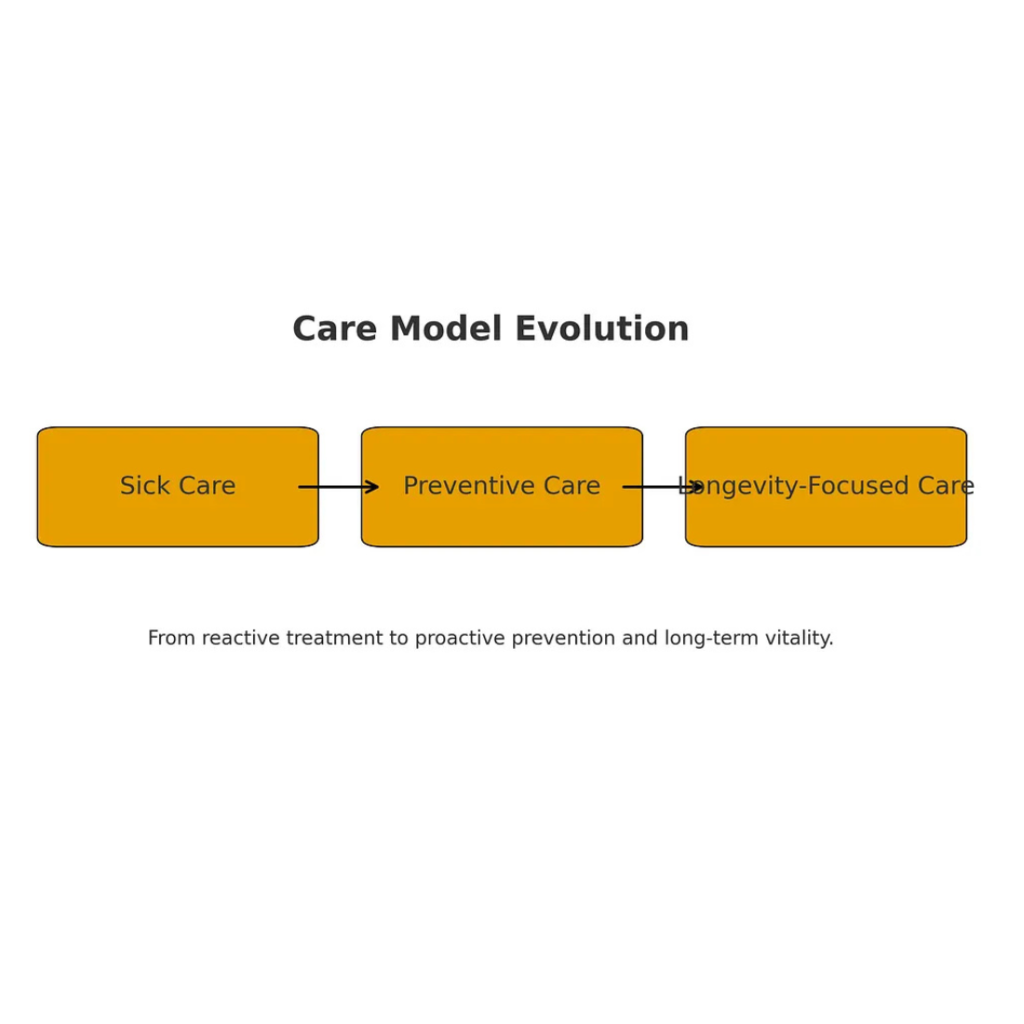
When most Americans think of health care, they picture emergency rooms, insurance headaches, and a reactive scramble when things go wrong. But in Palo Alto, a quietly ambitious startup is flipping that script. Dapper Care is building a model centered on prevention, longevity, and physician empowerment. With 50 physicians already committed and 20,000 patients being enrolled, it’s clear this is more than a test case. It’s a movement. A New Vision: Health Over Disease “Our goal is to invert healthcare, to make prevention, optimization, and longevity the core of real-world practice.” — David Pachkofsky, Founder & CEO Dapper just launched in September, but its clinical model is built for the long game: continuous care, metrics-driven insights, and healthspan optimization. Why Physicians Are Joining Doctors retain full clinical authority. Dapper simply clears the roadblocks: Pharmacy fulfillment and lab integration Patient coaching and adherence nudges AI-powered early risk detection Care coordination and logistical support “Physicians should practice medicine — not become logistics managers. Dapper gives them back the time and bandwidth to do what they trained to do.” — Dr. Glenn Loomis, Chief Medical Officer — Dapper Press enter or click to view image in full size Physician Benefits Less administrative burden Stronger patient outcomes Scalable without new overhead Equity and advisory participation How the Platform Works Four Pillars of the Dapper Model Diagnostics + Biomarkers At-home and in-lab panels for metabolic, genomic, hormonal, and aging health. 2. Personalized Protocols Tailored care plans combining prescriptions, nutraceuticals, and coaching. 3. AI Support & Automation Refills, reminders, adherence tracking, and predictive alerts before problems arise. 4. Physician-Focused Support Dapper’s care team manages coordination so practices stay streamlined. Press enter or click to view image in full size The Road Ahead: Goals for Year One Since Dapper just launched, results are projections. Within the first 12 months, the company aims to achieve: 25–35% improvement in metabolic markers (HbA1c, insulin sensitivity, lipid ratios) 70% adherence rates with AI nudges and care coaching 90%+ physician retention through workflow and financial support “If we can give patients ten extra good years of healthspan, physicians will be at the center of one of the most important transformations in medicine.” — David Pachkofsky Longevity & Prevention: The ROI Dapper’s prevention-first model drives ROI on three fronts: Patients: More years of vitality, fewer chronic conditions, lower costs Physicians: Higher satisfaction, stronger patient loyalty, sustainable growth Health Systems: Reduced chronic care costs, fewer avoidable hospitalizations Scaling With Integrity “True healthcare disruption isn’t fast growth, it’s deep, lasting change.” — Steve Patzkowski Co-Founder & CBO Rather than race into every ZIP code, Dapper is choosing select physician partners known for clinical rigor and alignment. Growth happens only once outcomes prove sustainable in practice. What’s Next In the next 12–24 months, Dapper will: Expand to 200+ physician partners across multiple specialties Launch Dapper Dave, an AI-driven health companion built with Amazon Add wearable + continuous monitoring integrations Pilot shared-risk programs with payers and employers The Takeaway The healthcare system is overloaded, patients are frustrated, and physicians are overburdened. What’s missing is a trusted model that puts prevention before reaction, with doctors back in control. With 50 physicians and 20,000 patients already signed up, Dapper Care is building exactly that. “If health is the biggest long game humanity plays, Dapper is stacking its chips for longevity.”
The Longevity Shift: From Reactive Medicine to Proactive Healthspan
We’re at a tipping point. For decades, our healthcare system has been built around diagnosing and treating disease once it appears, chronic conditions, acute episodes, hospitalization, rinse and repeat. But now a new paradigm is emerging, one focused on extending healthspan, not just lifespan, on monitoring biology, not waiting for illness, on enabling doctors and patients to work together early rather than playing catch-up later. In recent years, clinics with a “longevity” mindset have started proliferating. These practices offer more than a 15-minute annual check-up. They deliver deep diagnostics, including genetic and epigenetic testing, metabolic profiling, microbiome analyses, detailed imaging, wearable integration, and then assemble personalized intervention plans around those insights. But the shift raises two big questions: 1. Will this model move from early-adopter luxury to broad access? 2. What role will the many companies supporting this shift play, startup disruptors, technology platforms, and those building infrastructure? Below, I’ll walk through the current state of longevity clinics, the access challenge, and how Dapper is positioning itself amidst this mix. ⸻ What Today’s Longevity Clinics Look Like The longevity clinics of today aim to deliver health diagnostics and optimization that sit far beyond traditional primary care. In some cases they are replacing primary care altogether for a subset of well-resourced patients. Common features include: • Multi-hour intake visits rather than five-minute check-ins, full body MRI, advanced blood panels including biomarkers of aging, DNA methylation clocks, microbiome, metabolic and cardiovascular imaging. • Integration of wearables and continuous monitoring into the care plan, so that sleep patterns, activity, heart rate variability, glucose or other markers feed into real-time feedback loops. • Personalized lifestyle and therapeutic interventions such as diet, exercise, sleep, stress resilience, and sometimes regenerative medicine approaches including stem cells and peptide therapies, although with varying evidence. • A shift in mindset, aging considered not only as something to accept but as a process that can, in principle, be slowed, managed, or optimised. “Growing older does not have to mean slowing down. It means getting smarter about how we age.” In short, instead of waiting for disease, the idea is to intercept biology before disease manifests. ⸻ The Access Problem: Why It’s Not Yet for Everyone Despite the promise, there are clear headwinds: 1. Cost and affordability. Many of these clinics charge luxury-tier membership or intervention fees, often not covered by insurance. Some packages run into tens of thousands of dollars annually. 2. Scale and infrastructure. Standardising diagnostics, managing large data flows, and integrating with EMRs and outcomes tracking remain challenging. A recent survey found that only about 40 percent of longevity clinics were fully integrated with health records, and formal training programmes for longevity providers are still patchy. 3. Evidence base and regulation. While many interventions are scientifically promising, ageing is complex and heterogeneous. The field is still building consensus on biomarkers, validated endpoints, and long-term outcomes. 4. Equity and scale. Right now the model favours affluent, health-primed individuals. Without new models or cost innovations, the longevity revolution risks becoming a niche for the few. “The longevity revolution cannot just belong to the wealthy. Access is the real frontier.” The vision is exciting, but the business and operational model is still maturing. ⸻ Where Platforms and Startups Come In There is a growing ecosystem of companies building the durable infrastructure for this longevity-centric medicine. These firms provide diagnostics, analytics, monitoring tools, pharmacy and compounding workflows, AI engagement engines, and physician-support platforms. One such company is Dapper, which I lead. Although our immediate model isn’t exclusively marketed as a “longevity clinic,” the capabilities we are building map directly to the longevity agenda. For example: • We enable physicians to deliver personalised medication fulfilment, advanced diagnostics, and wearable-data integration, while keeping the doctor at the centre of care. • Our platform emphasises automation, adherence tracking, patient engagement, and cost-efficiency, all critical levers if longevity services are going to move beyond high-net-worth early adopters. • We are working on solutions that support scaling so that cost per patient falls as volume rises, which in turn supports broader access. In this way, Dapper represents one piece of the broader longevity ecosystem, the operational backbone supporting physicians who want to participate in healthspan-oriented care models. ⸻ Dapper’s AI Health Companion: Expanding Access and Supporting Physicians Alongside these capabilities, Dapper is developing an AI health companion that strengthens both sides of the care experience. For patients, it delivers real-time insights, symptom support, reminders, education, and personalized health guidance that helps them stay engaged long after the appointment ends. For physicians, it reduces workload by automating routine communication, monitoring trends, highlighting concerns, and providing visibility into how a patient is progressing day-to-day. This combination, clinical oversight paired with continuous AI support, creates a scalable path for longevity-style care without requiring massive clinic staffing or boutique pricing. ⸻ What Needs to Happen for Longevity Care to Become Widely Accessible For this field to shift from boutique to mainstream, several strategic shifts must happen: • Cost reduction through scale and technology. As diagnostics get cheaper, wearables proliferate, and AI automates routine monitoring, the cost of delivering longevity-oriented care must drop. • Integration with standard health systems. Longevity models cannot sit apart. Ideally they integrate with primary care, specialists, pharmacies, and digital platforms so that the patient experience is seamless. • Robust outcome measurement and incentives. Payers and providers will need credible evidence showing return on investment in terms of healthy years, reduced hospitalisations or disease onset, and improved quality of life. Economic modeling is promising, with studies estimating significant healthcare cost savings if biological ageing can be modified. • Training, accreditation, and standardisation. Establishing recognised training for longevity medicine practitioners, operational standards for clinics, and ethical frameworks around emerging therapies. • Inclusive design. Care models must account for under-served populations, not just early adopters, or the risk is a two-tier health system. ⸻ Looking Ahead: The Next 5 Years Here is what I expect, given current signals: • By 2030, we will see mid-tier longevity clinics offering “healthspan
Revolutionizing Healthcare: How Dapper’s AI Health Companion is Transforming Patient Care and Empowering Healthcare Professionals

Three years ago, we began a mission to reshape healthcare. Last month, we launched Dapper Rx, a revolutionary compounding pharmacy designed to put patients first. This nationwide service offers unprecedented convenience and accessibility for patients and healthcare providers alike, integrating advanced AI technology to create a seamless experience. At the center of this transformation is the Dapper AI Health Companion, a groundbreaking tool designed to support patients and healthcare professionals. This intelligent health assistant is more than just a virtual companion—it’s a complete, data-driven system that monitors patient health in real time and assists with every aspect of their care. The AI Health Companion collects real-time data on vital metrics such as sleep patterns, exercise, heart rate, and even stress levels, giving patients and their doctors a holistic view of their overall health. For patients undergoing hormone replacement therapy (HRT), the Health Companion provides personalized support, ensuring they stay on track with their treatment. It monitors adherence to fitness and diet plans, sending reminders and notifications to keep patients aligned with their personalized routines. The AI-driven system also assists with medication reminders, refill scheduling, and alerts, ensuring patients never miss a dose. This proactive engagement level helps maintain treatment effectiveness and promotes better health outcomes. For healthcare professionals, the Dapper AI Health Companion serves as a powerful tool to streamline care. By collecting real-time patient data from smart wearable devices, the AI system consolidates information such as sleep quality, exercise routines, and stress management into a comprehensive health record. Physicians can access this organized data at any time, gaining valuable insights into their patients’ daily habits and overall well-being. This allows them to make informed decisions and adjust treatment plans based on up-to-date, real-world information as needed. The Health Companion also plays a critical role in automating routine administrative tasks. Physicians and pharmacists no longer need to track medications, refill requests, or patient compliance manually. The AI system handles these processes automatically, saving valuable time for healthcare providers and reducing the risk of human error. This enables doctors to focus on delivering high-quality care while ensuring their patients are fully supported in their health journeys. In addition to supporting individual patients, the Dapper AI Health Companion enhances communication between patients and healthcare teams. Real-time alerts and updates ensure that healthcare professionals are informed of potential issues, such as missed doses or sudden changes in a patient’s vitals. This ability to respond quickly and proactively to emerging health concerns leads to better outcomes and more personalized care. Our collaboration with Amazon has played a crucial role in the development and rapid scaling of this advanced AI platform. Their technological support has enabled us to stay at the forefront of telehealth innovation, driving AI-powered consultations and dynamic, real-time interactions that enhance both patient care and physician efficiency. At Dapper Care, our vision is clear: we are creating an integrated, patient-centric healthcare ecosystem where technology works hand-in-hand with healthcare providers to deliver the best possible outcomes. Our passionate team is committed to making healthcare more accessible, personalized, and efficient, ensuring that patients, doctors, and all stakeholders benefit from a connected experience. The growth of our Dapper Rx community has been remarkable, with physicians — especially those in hormone replacement therapy and weight loss fields — embracing the potential of this technology to transform patient care. This network of healthcare providers is helping us expand our reach and continue our mission of modernizing healthcare delivery. As we move forward, our goal remains ambitious: to build a telehealth platform and pharmacy that works for everyone while keeping pace with the evolving demands of today’s healthcare consumers. The Dapper AI Health Companion is leading the charge, connecting all stakeholders in real-time, organizing critical health data, and ensuring that healthcare is outcome-driven and deeply personalized. We’re not just dispensing medications — we’re creating a comprehensive healthcare experience that links patient outcomes, provider insights, and cutting-edge technology to deliver connected, efficient, and personalized care. With the Dapper AI Health Companion, the future of healthcare is here, and it’s transforming lives every day.